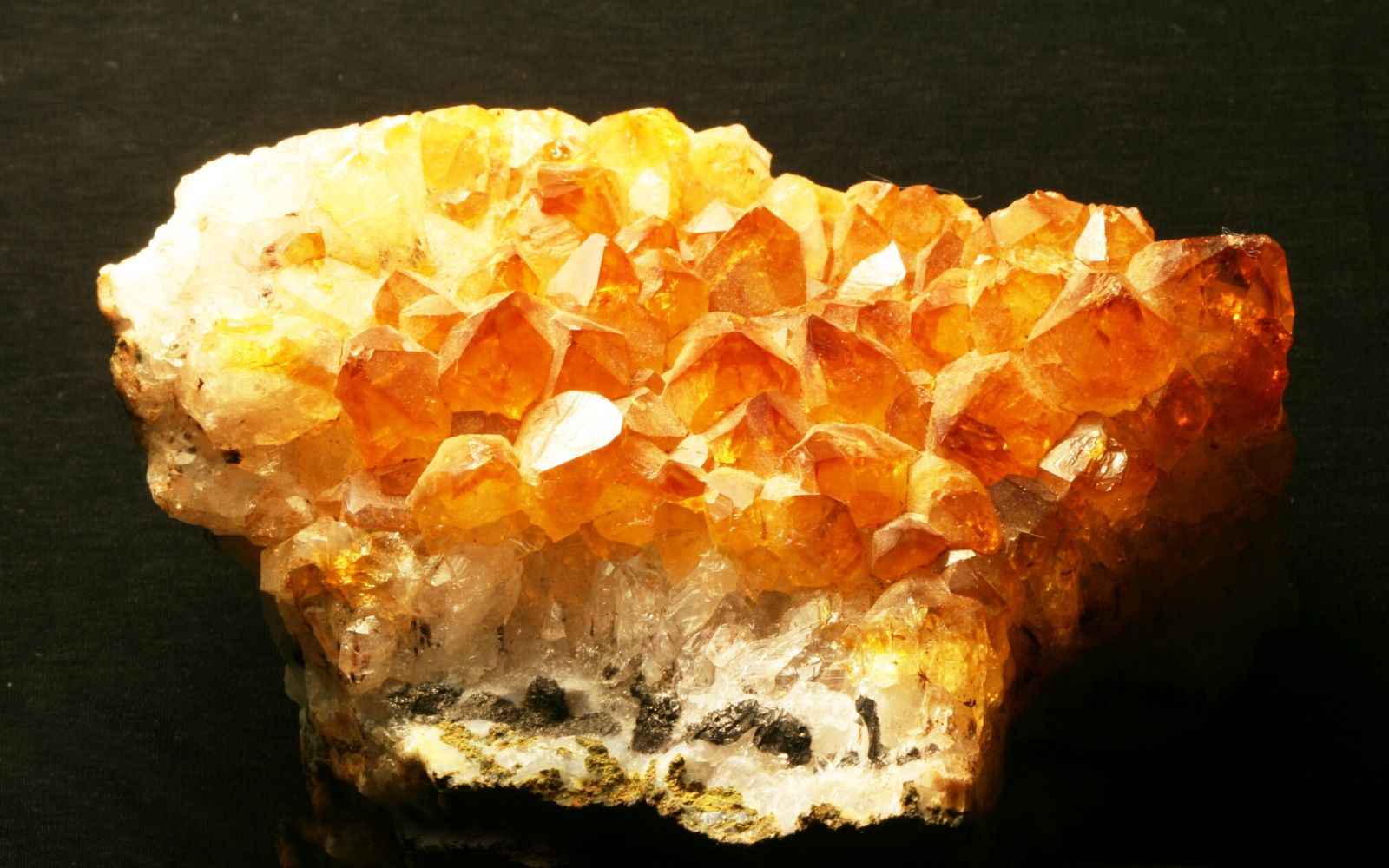
The Golden Ray: Unveiling the Sunny Splendor of Citrine
In the vast and wondrous world of gemstones, few possess the vibrant, life-affirming energy of citrine. Bathed in hues ranging from delicate lemon to deep, fiery orange, this quartz variety captures the very essence of sunshine, radiating warmth, joy, and an unmistakable sense of abundance. Often mistaken for topaz in centuries past, citrine has carved out its own unique identity, celebrated for its beauty, accessibility, and powerful symbolism. It’s a stone that doesn’t just catch the eye; it seems to awaken the spirit, making it a beloved choice for jewelry enthusiasts, crystal healers, and collectors alike.
Join us on a journey to explore the multifaceted charm of citrine, from its ancient origins and geological wonders to its dazzling presence in modern design and its profound cultural significance.
A Glimpse into History: The Ancient Allure of Golden Quartz
The story of citrine is as rich and layered as its captivating color. While the name "citrine" itself, derived from the Old French word "citrin" meaning "yellow," and ultimately from the Latin "citrus" (referring to citrus fruits), wasn’t widely adopted until the 16th century, the gemstone itself has been admired and utilized for millennia.
Ancient civilizations were undoubtedly drawn to its sunny disposition. The earliest records of its use trace back to the ancient Greeks and Romans, who prized yellow quartz for its beauty and believed it held the power of the sun. Roman pontiffs and emperors were known to adorn themselves with citrine, incorporating it into rings and other ornate jewelry, perhaps seeing it as a symbol of their divine authority and prosperity. The stone was also fashioned into intaglios – carved gems used as seals – and intricate cabochons.
Beyond the Mediterranean, the Celts were also known to use yellow quartz, often for decorative purposes and perhaps for its perceived protective qualities. In Scotland, large, impressive pieces of citrine were frequently set into the handles of daggers (known as "dirks") and sword hilts, serving both as ornamentation and as talismans believed to bring good fortune and courage in battle.
Throughout the Middle Ages, citrine, often referred to simply as "yellow quartz" or even "gold topaz" due to its similar appearance, was believed to possess protective powers. Folklore suggested it could ward off evil thoughts, protect against snake venom, and even cure a variety of ailments. Its bright, clear appearance made it a symbol of purity and light in a world often shrouded in superstition.
The gemstone experienced a significant resurgence in popularity during the Victorian era, largely thanks to Queen Victoria’s fondness for Scottish jewelry, which frequently featured large, striking citrine pieces. This royal endorsement cemented its place in high fashion. Later, in the glamorous Art Deco period of the 1920s and 30s, citrine’s bold colors and availability in larger sizes made it a favorite for designers creating dramatic, geometric pieces that perfectly captured the era’s sophisticated aesthetic. Its golden glow was seen as a symbol of optimism and prosperity, resonating with a generation eager for modernity and new beginnings.
Today, citrine continues to enchant, not just for its historical pedigree but for its inherent beauty and the vibrant energy it brings to any setting.
Forged in Earth’s Crucible: The Geological Story of Citrine
To truly appreciate citrine, one must delve into its origins deep within the Earth’s crust. Citrine is a macrocrystalline variety of quartz, a mineral composed of silicon dioxide (SiO2). Quartz is one of the most abundant minerals on Earth, forming in a myriad of geological environments. However, the specific conditions required to create the golden hues of citrine are less common and quite fascinating.
The Role of Iron and Heat:
The defining characteristic of citrine – its captivating yellow to orange-brown color – is primarily due to the presence of trace amounts of iron impurities within the quartz crystal lattice. When quartz containing these iron impurities is exposed to specific temperatures, the iron atoms undergo a change in their oxidation state, leading to the absorption of certain wavelengths of light and the reflection of others, resulting in the golden spectrum we observe.
Natural Formation:
Natural citrine forms in igneous rocks, particularly in pegmatites and hydrothermal veins, where silica-rich fluids permeate existing rock formations at high temperatures and pressures. Over millions of years, as these fluids cool and mineral-rich solutions crystallize, large, transparent quartz crystals can grow. For natural citrine, the specific iron impurities must be present, and the crystals must be subjected to natural heating processes within the Earth – perhaps near a volcanic vent or deep within a geothermally active region – that are just right to induce the golden coloration. This natural heating process is subtle and occurs over vast geological timescales. Natural citrine is generally rarer and often exhibits paler, more subtle yellow or smoky-citrine tones.
Heat-Treated Amethyst and Smoky Quartz (The Most Common Citrine):
While natural citrine exists, the vast majority of citrine available on the market today, especially the more vibrant golden, orange, and reddish-brown varieties, is actually heat-treated amethyst or smoky quartz. Both amethyst (purple quartz) and smoky quartz (brownish-grey quartz) owe their colors to iron impurities (in amethyst’s case) or natural irradiation (in smoky quartz’s case).
The transformation process is quite remarkable:
- Amethyst to Citrine: When amethyst, which contains ferric iron impurities, is heated to temperatures typically between 450°C and 550°C (around 840°F to 1020°F), the iron impurities are oxidized. This causes the violet color to fade and transition into a warm yellow, orange, or reddish-brown hue. The resulting stone is chemically identical to natural citrine and visually indistinguishable without advanced testing, though the color profile often differs slightly (heat-treated amethyst often has a more reddish-orange tint, and can sometimes retain subtle "burnt" patches or cloudy areas).
- Smoky Quartz to Citrine: Smoky quartz, which gets its color from natural irradiation of aluminum impurities, can also be heated. When heated, the color centers responsible for its smoky hue are destroyed, and if iron impurities are also present and oxidized correctly, it can transform into a yellow or golden citrine.
This heat treatment is a stable and permanent enhancement, widely accepted within the gemstone industry. It allows for a greater abundance of beautiful, vibrantly colored citrine, making it accessible to a broader market.
Global Distribution: Where the Sunstone Shines:
Citrine is found in various locations around the globe, with a few regions being particularly prominent sources:
- Brazil: Undoubtedly the most significant source, especially for the heat-treated variety. The state of Rio Grande do Sul is famous for its vast amethyst deposits, which are subsequently heat-treated to produce large quantities of high-quality citrine. Brazil also produces some natural citrine, though in smaller amounts.
- Madagascar: This island nation is renowned for producing some of the finest natural citrine. Madagascan citrine often exhibits a beautiful pale yellow to lemon-yellow color, frequently with a clear, sparkling clarity. These natural specimens are highly prized by collectors.
- Bolivia: The Anahí mine in Bolivia is unique for being the primary source of ametrine, a natural bicolor quartz that combines both amethyst and citrine within a single crystal. This mine also yields natural citrine.
- Russia: The Ural Mountains have historically produced some natural citrine, though in smaller quantities compared to South American sources.
- France: Certain regions in France, particularly in the Dauphiné Alps, have been known for small finds of natural quartz, including some citrine.
- Spain: Small deposits of natural citrine have been found in various areas of Spain.
- Scotland: As mentioned, Scotland historically provided large pieces of yellow quartz that adorned weaponry and jewelry, suggesting local deposits.
- USA: Scattered deposits of quartz, including some natural citrine, can be found in states like North Carolina and Colorado.
- Zambia: This African nation is another source for amethyst that can be heat-treated into citrine.
The geological processes that form citrine, whether natural or assisted by human intervention, highlight the Earth’s incredible capacity to create beauty, transforming common minerals into gems that capture the very essence of light.
The Anatomy of Sunshine: Physical Characteristics of Citrine
Understanding the physical properties of citrine is key to appreciating its durability, beauty, and how it performs in jewelry. As a member of the quartz family, it shares many characteristics with its siblings, amethyst, smoky quartz, and rose quartz, yet it possesses distinct features that make it unique.
1. Color: A Spectrum of Golden Hues
This is arguably citrine’s most captivating characteristic. Its color palette spans a beautiful range of yellows, oranges, and even reddish-browns:
- Pale Yellow/Lemon Citrine: Often found in natural citrine from Madagascar, these stones have a delicate, refreshing pale yellow hue, sometimes with a greenish undertone, reminiscent of a fresh lemon.
- Golden Citrine: The classic and most common shade, a rich, vibrant yellow, often described as golden. This color is widely popular and readily available.
- Orange Citrine: Deeper than golden, moving towards a warm, sun-kissed orange.
- Madeira Citrine: This is the most prized and valuable color variety. Named after the rich, reddish-brown wine from Portugal’s Madeira Islands, these stones exhibit a deep, fiery reddish-orange or brownish-red hue. They are intensely saturated and possess a remarkable warmth. Madeira citrine is often produced by carefully heat-treating amethyst.
- Smoky Citrine: Sometimes, natural citrine can have a smoky, brownish undertone, creating a unique blend of colors.
It’s important to reiterate the distinction between natural and heat-treated colors. Natural citrine tends to be paler, often lemon or golden yellow, and can sometimes exhibit subtle color zoning. Heat-treated amethyst, on the other hand, frequently produces more intense golden-orange to reddish-brown colors, often with a more uniform saturation. While both are considered citrine, the origin of the color can influence value and collector preference. Citrine typically exhibits very weak pleochroism, meaning its color changes only slightly when viewed from different angles.
2. Hardness: A Durable Daily Wear Gem
Citrine ranks a respectable 7 on the Mohs scale of mineral hardness. This places it firmly in the category of durable gemstones, suitable for everyday wear in various jewelry settings. To put this in perspective:
- It’s harder than many common minerals like feldspar (6-6.5) and softer than truly hard gems like sapphire (9) and diamond (10).
- Its hardness means it resists scratching from common dust particles (which contain quartz) and most household items.
- However, it can still be scratched by harder gemstones or materials, so proper care and storage are essential.
3. Clarity: Often Eye-Clean and Transparent
Citrine is typically a Type II gemstone on the GIA clarity grading system, meaning it is usually eye-clean – free of inclusions visible to the naked eye. Most commercial-grade citrine is transparent to translucent, allowing light to pass through with minimal obstruction.
- Transparency: The best citrine is perfectly transparent, allowing for brilliant sparkle and color display.
- Inclusions: While usually clean, some citrine may contain minor inclusions. These can include:
- Needles: Fine, hair-like inclusions, sometimes rutile.
- Two-phase inclusions: Small pockets containing both liquid and gas bubbles.
- Fingerprints: Irregular, fluid-filled inclusions that resemble fingerprints.
- Significant or unsightly inclusions can reduce the stone’s value and desirability.
4. Luster: A Glassy Sheen
Citrine exhibits a vitreous luster, meaning it has a glassy, reflective surface when polished. This contributes to its overall brilliance and sparkle, especially in well-cut, transparent specimens.
5. Crystal System and Habit:
Like all quartz varieties, citrine crystallizes in the trigonal crystal system. It often forms as six-sided prisms terminating in six-sided pyramids. Crystals can range from small, intricate formations to massive, imposing points and geode linings.
6. Other Technical Properties:
- Specific Gravity: Approximately 2.65 g/cm³ (consistent with other quartz varieties).
- Refractive Index: 1.544-1.553 (doubly refractive).
- Fracture: Conchoidal (shell-like, curved fractures).
- Streak: White (when rubbed on an unglazed porcelain plate).
Varieties and Distinctions:
- Natural Citrine: As discussed, rarer, often paler, and highly valued by collectors.
- Heat-Treated Citrine: The most common form, typically from amethyst, offering vibrant and consistent colors.
- Ametrine: A unique natural quartz that displays both purple amethyst and golden citrine zones within the same crystal, typically found in Bolivia.
- Lemon Quartz: While sometimes marketed as a type of citrine, "Lemon Quartz" is often artificially enhanced quartz, usually irradiated and then heat-treated, to achieve a vivid, sometimes greenish-yellow color. It’s not true citrine in the traditional sense, though it’s still a quartz.
The physical characteristics of citrine combine to create a gemstone that is not only visually stunning but also practical and versatile, making it an enduring favorite in the world of fine jewelry and decorative arts.
Sunshine for the Soul: Symbolism, Cultural Meaning, and Folklore
Citrine’s radiant color has naturally linked it to the sun, light, and warmth, imbuing it with a rich tapestry of symbolism and cultural significance across various traditions and belief systems. It is universally seen as a stone of positivity, joy, and abundance.
Modern Symbolism and Metaphysical Properties:
In contemporary crystal healing and New Age practices, citrine is revered for a multitude of powerful attributes:
- Abundance and Prosperity (The "Merchant’s Stone"): This is perhaps citrine’s most famous association. It’s often called the "Merchant’s Stone" or "Money Stone" because it’s believed to attract wealth, success, and prosperity. Many business owners keep citrine in their cash registers or offices, while individuals place it in their "wealth corner" (southeast) of their homes or carry it in their wallets, hoping to draw financial gain and good fortune. It’s thought to not only attract wealth but also to help maintain it.
- Joy and Optimism: Its sunny color naturally evokes feelings of happiness, enthusiasm, and optimism. Citrine is believed to dissipate negative energies and emotional patterns, bringing a sense of lightness and cheerfulness. It’s often used to combat depression, fear, and phobias, encouraging a more positive outlook on life.
- Energy and Vitality: Like the sun, citrine is a source of energy. It’s believed to invigorate and re-energize the mind, body, and spirit, promoting creativity, motivation, and endurance. It helps overcome lethargy and stimulates mental clarity.
- Manifestation and Personal Power: Citrine is considered a powerful manifestation stone, helping individuals bring their intentions and desires into reality. It’s associated with the solar plexus chakra, the center of personal power, will, and confidence. By strengthening this chakra, citrine empowers individuals to assert themselves, make clear decisions, and pursue their goals with determination.
- Cleansing and Purification: A unique property attributed to citrine is its ability to cleanse and regenerate itself and other crystals. Unlike many other crystals that absorb negative energy and require regular cleansing, citrine is said to dissipate and transmute negative energy, never needing to be cleansed or charged. It acts as a protective shield against negativity.
- Creativity and Expression: By stimulating the sacral chakra (the center of creativity and emotional expression), citrine is believed to enhance imagination, foster new ideas, and encourage artistic endeavors. It helps overcome creative blocks and promotes self-expression.
- Emotional Healing: Beyond just joy, citrine supports emotional balance. It helps in releasing anger, fear, and destructive tendencies, promoting self-acceptance and emotional maturity. It encourages one to embrace change and new experiences.
- Physical Healing (Metaphysical): In metaphysical practices, citrine is associated with supporting the digestive system, metabolism, and endocrine system. It’s believed to aid in detoxification, improve circulation, and alleviate chronic fatigue syndrome. Some believe it can help with skin conditions and allergies.
Historical and Cultural Significance:
- Ancient Rome and Greece: Valued for its beauty, it was likely associated with deities of the sun, prosperity, and protection. Its use in intaglios and jewelry suggests a belief in its power to bring good fortune to the wearer.
- Medieval Europe: Believed to protect against evil and venom, it served as a talisman in a time rife with superstition. Its bright color was seen as a beacon of purity and defense against dark forces.
- Scottish Lore: Its presence in weaponry indicates a belief in its ability to bring courage, protect warriors, and perhaps even enhance their luck in battle.
- Feng Shui: In the ancient Chinese practice of Feng Shui, citrine is a popular stone for attracting wealth and prosperity. It is often placed in the "wealth corner" of a home or office (typically the southeast sector) to enhance financial flow and abundance.
Citrine’s symbolism is deeply intertwined with its warm, inviting color. It’s not merely a beautiful gem; it’s a stone that embodies light, life, and the promise of a brighter, more abundant future, making it a beloved companion for those seeking to manifest their dreams and live with joy.
Adorning with Light: Uses in Jewelry and Design
With its vibrant array of golden hues, excellent clarity, and commendable hardness, citrine is a remarkably versatile gemstone that shines brilliantly in almost every form of jewelry and decorative design. Its ability to offer substantial carat weights at accessible prices makes it a favorite among designers and consumers looking for a statement piece without an exorbitant cost.
1. Jewelry: A Gem for Every Occasion
Citrine’s warmth and brilliance make it suitable for a wide range of jewelry applications, from everyday wear to high-fashion statements:
- Rings: Citrine is a popular choice for cocktail rings, engagement ring alternatives, and anniversary bands. Its Mohs hardness of 7 makes it durable enough for daily wear, though care should still be taken to protect it from hard knocks. Large, eye-catching Madeira citrines set in gold are particularly stunning.
- Necklaces and Pendants: Whether as a prominent solitaire pendant, part of a multi-gemstone design, or strung as beads, citrine necklaces add a touch of sunny elegance. Its bright color provides a beautiful focal point against any outfit.
- Earrings: From delicate studs to dramatic drop earrings and chandeliers, citrine earrings frame the face with a warm glow. They are particularly effective when paired with complementary gemstones or metals.
- Bracelets: Citrine beads, faceted links, or larger cabochons can be incorporated into bracelets, offering both beauty and the stone’s energetic properties.
- Brooches and Pins: In more elaborate or vintage-inspired designs, citrine adds a touch of classic glamour, often alongside other colored gems or diamonds.
Metal Pairings:
Citrine is incredibly adaptable when it comes to metal choices, each enhancing its beauty in a different way:
- Yellow Gold: The classic pairing. Yellow gold beautifully complements and intensifies citrine’s warm, golden, and orange tones, creating a harmonious and luxurious look.
- White Gold/Platinum/Silver: For a more contemporary and striking contrast, white metals make the citrine’s color pop. The cool silver tones highlight the gem’s warmth, giving it a crisp, modern edge.
- Rose Gold: This trendy metal creates a softer, romantic pairing with citrine. The pinkish hue of rose gold blends seamlessly with the warmer orange and reddish tones of Madeira citrine, creating a sophisticated and cohesive aesthetic.
Cut and Shape:
Citrine’s excellent clarity and availability in large rough make it ideal for a variety of cuts:
- Faceted Cuts: Common cuts like round brilliant, oval, pear, emerald, cushion, and marquise maximize its sparkle and bring out its vibrant color. Its relatively large size availability makes it perfect for custom and fancy cuts.
- Cabochons: Smooth, domed cuts are popular for displaying citrine’s color evenly, especially in translucent or slightly included specimens, often used in vintage or artisan designs.
- Beads: Strands of polished citrine beads are a staple for necklaces and bracelets, often used in both casual and formal designs.
- Carvings: Its reasonable hardness and abundant supply make it a good material for intricate carvings, figurines, and ornamental objects.
Complementary Gemstones:
Citrine pairs beautifully with a range of other gemstones, creating captivating color combinations:
- Amethyst: A natural pairing, reflecting their shared quartz lineage and the ametrine phenomenon. Purple and yellow create a vibrant, complementary contrast.
- Peridot: The bright green of peridot creates a fresh, lively combination with citrine’s yellow.
- Blue Topaz/Sapphire: Cool blues offer a stunning contrast to citrine’s warmth, creating sophisticated and eye-catching designs.
- Garnet/Rubies: Deeper reds can enhance the fiery tones of Madeira citrine, creating a rich, opulent look.
- Diamonds: The ultimate accent, diamonds add sparkle and elevate citrine pieces to fine jewelry status, emphasizing its brilliance.
2. Decorative and Ornamental Design:
Beyond personal adornment, citrine is also highly valued for its aesthetic appeal in home decor and ornamental pieces:
- Crystal Clusters and Geodes: Natural citrine clusters or geodes (often heat-treated amethyst geodes) are popular display items, bringing their energetic properties and natural beauty into living spaces.
- Polished Points and Spheres: Large, polished citrine points or spheres are used as decorative accents, often placed on shelves, desks, or altars.
- Carvings: Intricate animal figures, abstract sculptures, or functional items like bookends are carved from citrine, showcasing its beauty and the artisan’s skill.
- Feng Shui Elements: Due to its association with wealth and prosperity, citrine is a popular stone for Feng Shui applications, strategically placed in homes and offices to attract positive energy and abundance.
Citrine’s enduring appeal lies in its combination of visual warmth, impressive size availability, and practical durability. It’s a gemstone that brings a ray of sunshine into any design, proving that beauty and accessibility can indeed go hand-in-hand.
Investing in Sunshine: Market Value Factors and Buying Tips
Citrine offers a wonderful opportunity to own a beautiful, durable gemstone without the prohibitive cost often associated with other precious gems. However, like all gemstones, its market value is influenced by several factors. Understanding these can help you make an informed purchase.
Market Value Factors:
-
Color (The Most Important Factor):
- Hue, Tone, Saturation: The depth, richness, and consistency of the color are paramount. The most prized citrine exhibits a deep, vibrant golden-orange to reddish-brown hue, known as "Madeira Citrine." These colors are often achieved through heat treatment of amethyst but are highly sought after for their intensity and warmth.
- Pale Yellow vs. Deep Orange: Paler lemon-yellow or very light golden citrine is generally less valuable than the more saturated orange and reddish varieties.
- Evenness: A uniform color throughout the stone, without noticeable zoning or uneven patches, is preferred.
-
Clarity:
- Eye-Clean: Most citrine on the market is eye-clean, meaning it has no inclusions visible to the naked eye. This is highly desirable.
- Inclusions: Visible inclusions (cracks, bubbles, needles, cloudy areas) will significantly reduce the stone’s value. Given citrine’s general abundance in eye-clean material, there’s little reason to compromise on clarity unless it’s a very unique or rare specimen.
-
Cut:
- Proportion and Symmetry: A well-executed cut is crucial for maximizing a citrine’s brilliance, fire (the dispersion of light into spectral colors), and color. Facets should be precisely aligned, and the stone should be symmetrical.
- Windowing/Extinction: Poorly cut stones might exhibit "windowing" (light passing straight through the bottom, creating a transparent area) or "extinction" (dark, dull areas where light is not reflected). These reduce value.
- Shape: While traditional shapes like round, oval, and emerald cuts are popular, fancy cuts can add value, especially if they are well-proportioned and enhance the stone’s unique characteristics.
-
Carat Weight:
- Larger Stones: As with most gemstones, larger citrine specimens are rarer and thus command higher prices per carat. Citrine is readily available in large sizes (often 10 carats or more) at relatively affordable prices compared to other gems. This makes it an excellent choice for statement pieces.
- Price Per Carat: The price per carat typically increases with size, but the jump isn’t as dramatic as with diamonds or sapphires.
-
Origin and Treatment:
- Natural vs. Heat-Treated: Natural, untreated citrine (often from Madagascar, typically paler) is generally considered more valuable by collectors than heat-treated citrine, even if the latter has a more intense color. However, the market widely accepts and values heat-treated citrine, especially for its vibrant colors. Transparency about treatment is crucial.
- Geographic Origin: While some origins (e.g., natural Madagascan) can add a premium, for heat-treated material, the specific Brazilian mine of origin is less important than the resulting color and quality.
Buying Tips for the Savvy Shopper:
- Prioritize Color: Decide what shade of citrine appeals most to you. For maximum impact, lean towards saturated golden-orange or Madeira hues. View the stone under different lighting conditions (natural daylight, incandescent, fluorescent) as colors can appear differently.
- Examine Clarity: Look for stones that are eye-clean. If possible, use a jeweler’s loupe (10x magnification) to check for any significant inclusions that might compromise the stone’s beauty or durability.
- Assess the Cut: A good cut will make the stone sparkle. Check for brilliance and avoid stones with obvious windows or dull areas. If buying a ring, ensure the stone sits well in its setting.
- Ask About Treatment: A reputable dealer will always disclose if a citrine has been heat-treated. This is a standard and stable treatment for citrine, so it shouldn’t deter you, but it’s important to be aware. Natural, untreated citrine will often be priced higher.
- Consider Carat Weight and Budget: Citrine offers excellent value for larger stones. Decide what size is appropriate for your intended use and budget. You can often get a substantial, beautiful citrine for a fraction of the cost of other gems.
- Buy from Reputable Dealers: Purchase from jewelers with a good reputation and a clear return policy. They should be knowledgeable about their gemstones and transparent about their origins and treatments.
- Request Certification (for High-Value Pieces): For very large or expensive citrine pieces, you might consider requesting a gemological laboratory report (from GIA, AGS, IGI, etc.) to confirm its authenticity, natural vs. treated status, and overall quality. While not typically necessary for most citrine purchases due to its affordability, it can provide peace of mind for significant investments.
- Think About the Setting: